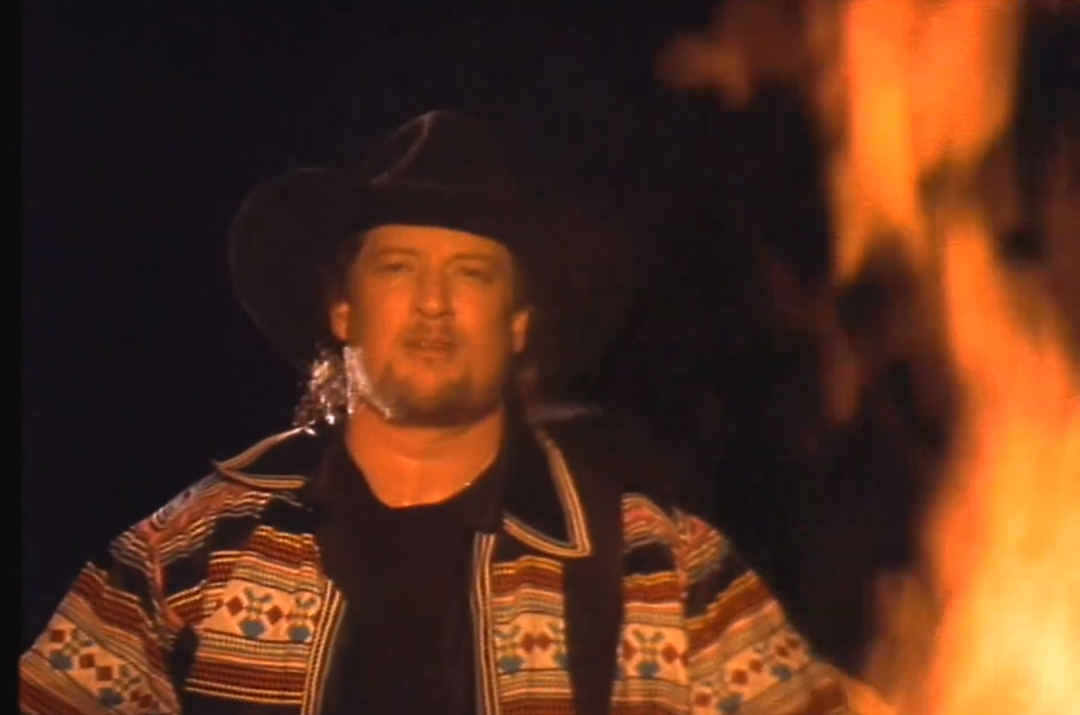
John Anderson, one of country music’s most distinctive and durable singers, died Wednesday, October 21. He was 71.
His family announced the news in a statement, saying Anderson died peacefully in his sleep. A cause of death was not disclosed.
It is with the heaviest of hearts that we share the passing of our beloved husband, father, grandfather, and best friend.
To the world, he was a gifted country music singer whose voice and songs touched countless lives. To us, he was so much more. He was the heart of our family, the one who made us laugh, loved us fiercely, and made every ordinary moment feel special.
We are completely heartbroken.
His music will live on, but for us, his greatest legacy will always be the love he gave his family and the memories we will carry with us forever.
Please keep our family in your thoughts and prayers as we grieve this unimaginable loss.
Born December 13, 1954, in Orlando and raised in Apopka, Florida, Anderson began playing music in garage rock bands. Hearing Merle Haggard and George Jones turned him toward country music. After high school, he moved to Nashville, where he worked construction by day and played clubs at night. One of those jobs put him on the crew that helped build the new Grand Ole Opry House.
Publisher Al Gallico helped Anderson secure a contract with Warner Bros. Records in 1976. His first Top 20 single, “Your Lying Blue Eyes,” arrived in 1979. “1959,” “I’m Just an Old Chunk of Coal (But I’m Gonna Be a Diamond Someday),” “Chicken Truck,” “I Just Came Home to Count the Memories” and “Would You Catch a Falling Star” followed.
Anderson’s traditional sound stood apart at the turn of the 1980s. His singing owed something to Lefty Frizzell and Merle Haggard, but his phrasing was entirely his own. Haggard recognized it early. He, George Jones and Willie Nelson invited Anderson to open shows on their national tours, introducing him to audiences who shared his affection for traditional country music.
“Wild and Blue,” written by John Scott Sherrill, became Anderson’s first No. 1 country single. Anderson and Lionel Delmore then wrote the million-selling “Swingin’,” which became one of the biggest country records of 1983. It earned Anderson the CMA Horizon Award and the CMA award for Single of the Year. “Black Sheep” gave him another No. 1 later that year.
His second major run began with the 1992 album Seminole Wind. “Straight Tequila Night” went to No. 1, “When It Comes to You” reached the Top Five, and the title track became one of the signature songs of Anderson’s career. He wrote “Seminole Wind” himself, drawing upon the Florida landscape of his youth and the environmental damage he had watched overtake it.
Anderson remained a consistent presence on country radio through the middle of the decade with “Money in the Bank,” “I Wish I Could Have Been There,” “I’ve Got It Made” and “Bend It Until It Breaks.” Across his career, Anderson placed 20 singles in the country Top 10, including five No. 1 hits. The Academy of Country Music presented him with its Career Achievement Award in 1993.
He was inducted into the Nashville Songwriters Hall of Fame in 2014. Serious health and hearing problems later forced him away from the road, but Anderson returned with Years in 2020. Produced by Dan Auerbach and David Ferguson, the album paired his familiar voice with songs about age, survival and the passage of time.
Auerbach and Ferguson followed it in 2022 with Something Borrowed, Something New: A Tribute to John Anderson. The album included performances by Eric Church, Luke Combs, Ashley McBryde, Tyler Childers, Sturgill Simpson, Sierra Ferrell, Brothers Osborne, Jamey Johnson, Gillian Welch, David Rawlings and John Prine.
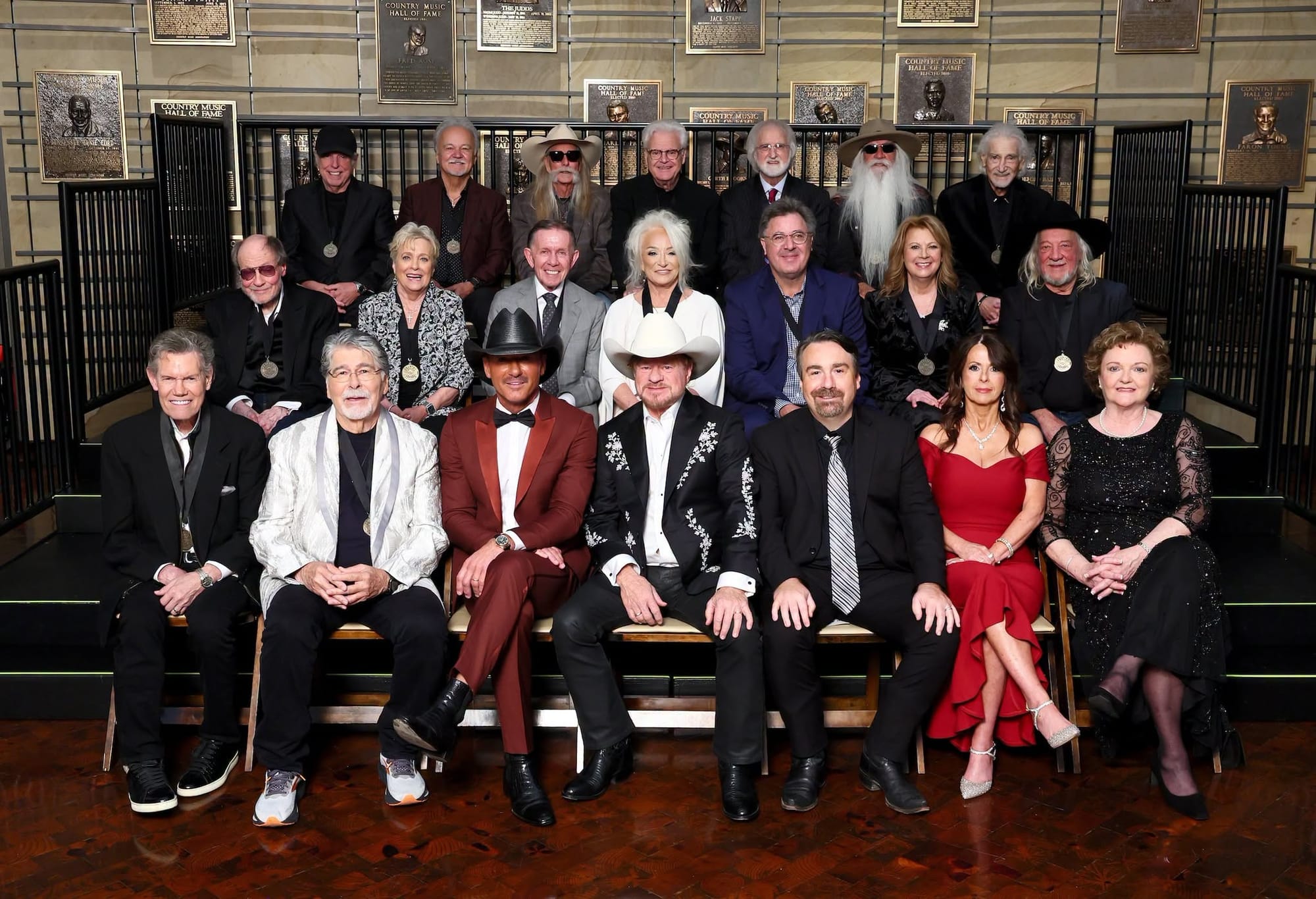
Anderson entered the Country Music Hall of Fame in 2024 alongside James Burton and Toby Keith. “As always, I thank the fans who have supported the music and the shows for the last 50 years,” Anderson said after his induction. “I could never have done it if it weren’t for you.”
He remained active in 2026, performing at Nashville’s Ryman Auditorium in February and recognizing the Vanderbilt doctors whose treatment had restored his hearing.
On Sunday, Anderson attended the Hall of Fame induction for Tim McGraw and Paul Overstreet.
Few country singers were as instantly identifiable. Anderson could make a line funny, wounded or menacing without forcing it, and songs that passed through his hands rarely sounded as if they could belong to anyone else. His recordings made room for traditional country in the early 1980s, brought him back to the top of the charts a decade later and continued to influence singers long after his last major radio hit.
There is too much for me to say about John Anderson in just a statement. I am sick and I am stunned. But I am a very lucky man. I got the opportunity to find out that my hero wasn’t just the guy I hoped he’d be. He was so much more than that. John was my friend. I got to see him… pic.twitter.com/qqJF9eKSlp
— Blake Shelton (@blakeshelton) October 22, 2026
 Generation Country